
**Ensuring Financial Sector Stability: A Comprehensive Overview**

**Introduction**
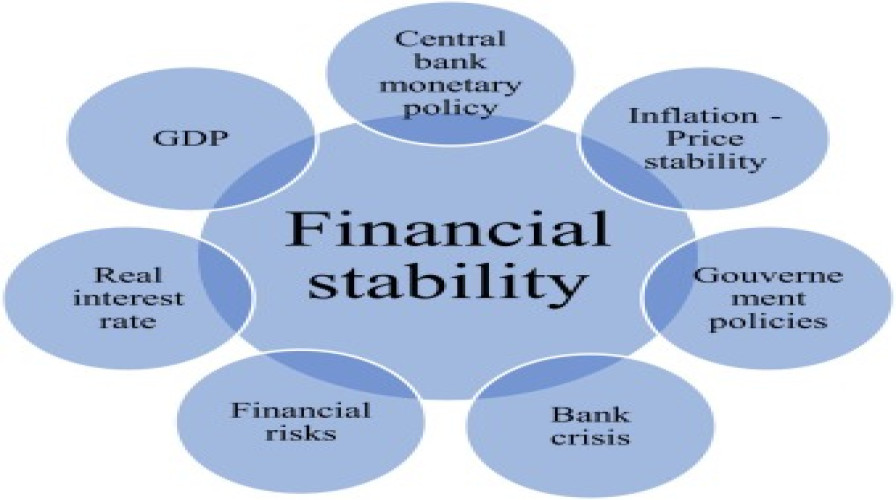
Financial sector stability is fundamental to the health and sustainability of the global economy. It encompasses the ability of the financial system to withstand shocks, maintain confidence, and continue providing critical services such as credit, payments, and investment. Ensuring stability within the financial sector is crucial for economic growth, investor confidence, and the smooth functioning of markets. This article explores the key aspects of financial sector stability, the challenges it faces, and the strategies employed to maintain it.
**1. Understanding Financial Sector Stability**
Financial sector stability refers to the resilience of the financial system—comprising banks, financial markets, and other financial institutions—against shocks and crises. It includes several dimensions:
- **Soundness and Solvency:** Financial institutions must be solvent, meaning their assets exceed their liabilities, and they must adhere to prudent risk management practices to avoid insolvency.
- **Liquidity:** The financial sector needs adequate liquidity to meet short-term obligations and to support its operations, particularly during times of stress.
- **Market Confidence:** Stability relies on maintaining investor and public confidence in financial institutions and markets.
- **Regulatory Oversight:** Effective regulation and supervision are crucial to ensuring that financial institutions operate safely and soundly.
**2. Key Components of Financial Sector Stability**
**a. Sound Financial Institutions**
- **Capital Adequacy:** Banks and other financial institutions must maintain sufficient capital to absorb losses and support their operations. Regulatory frameworks like Basel III establish minimum capital requirements and other safeguards.
- **Risk Management:** Effective risk management practices help institutions identify, assess, and mitigate risks, including credit, market, operational, and liquidity risks.
- **Asset Quality:** Maintaining high-quality assets and avoiding excessive exposure to risky or volatile assets are essential for institutional stability.
**b. Liquidity Management**
- **Liquidity Buffers:** Financial institutions should hold sufficient liquid assets to cover short-term obligations and withstand liquidity stress.
- **Central Bank Facilities:** Central banks often provide liquidity support during crises through mechanisms such as emergency lending facilities or open market operations.
**c. Market Infrastructure**
- **Payment Systems:** Stable and efficient payment systems are critical for the smooth functioning of financial transactions and maintaining market confidence.
- **Clearing and Settlement:** Robust clearing and settlement systems help mitigate risks associated with financial transactions and reduce counterparty risk.
**d. Regulatory Framework**
- **Regulation and Supervision:** Effective regulatory frameworks and supervisory practices are essential to overseeing financial institutions, ensuring compliance with rules, and managing systemic risks.
- **Macroprudential Policies:** These policies focus on the stability of the financial system as a whole rather than individual institutions, addressing risks that could lead to systemic crises.
**3. Challenges to Financial Sector Stability**
**a. Systemic Risk**
- **Interconnectedness:** The interconnected nature of financial institutions and markets can lead to contagion effects, where problems in one area spread throughout the system.
- **Too Big to Fail:** Large and complex institutions can pose systemic risks if they fail, necessitating effective resolution mechanisms and oversight.
**b. Economic and Market Volatility**
- **Economic Downturns:** Recessions and economic slowdowns can increase the risk of defaults, reduce asset values, and strain financial institutions.
- **Market Fluctuations:** Sharp movements in financial markets can lead to liquidity crises and impact financial stability.
**c. Technological Risks**
- **Cybersecurity Threats:** The increasing reliance on digital technologies exposes financial institutions to cyber-attacks and operational disruptions.
- **Fintech and Innovation:** Rapid technological advancements can introduce new risks and challenges, such as regulatory gaps and issues related to financial stability.
**d. Regulatory and Policy Challenges**
- **Regulatory Arbitrage:** Financial institutions may exploit regulatory gaps or differences between jurisdictions to engage in risky behaviors.
- **Policy Coordination:** Global financial stability requires coordinated policies across countries, which can be challenging to achieve.
**4. Strategies for Maintaining Financial Sector Stability**
**a. Strengthening Regulation and Supervision**
- **Enhanced Capital Requirements:** Increasing capital buffers for financial institutions helps absorb shocks and reduce the risk of insolvency.
- **Stress Testing:** Regular stress testing of financial institutions assesses their resilience to various adverse scenarios and informs regulatory actions.
- **Supervisory Oversight:** Effective supervision ensures that financial institutions adhere to regulatory requirements and manage risks appropriately.
**b. Improving Market Infrastructure**
- **Upgrading Payment Systems:** Investing in resilient and efficient payment systems enhances market stability and reduces the risk of operational disruptions.
- **Strengthening Clearing and Settlement Systems:** Ensuring robust clearing and settlement processes reduces counterparty risk and promotes stability.
**c. Promoting Transparency and Accountability**
- **Disclosures:** Requiring financial institutions to provide comprehensive and transparent disclosures improves market confidence and facilitates informed decision-making.
- **Corporate Governance:** Strong governance practices within financial institutions ensure effective risk management and accountability.
**d. Enhancing Macroprudential Policies**
- **Counter-Cyclical Measures:** Implementing counter-cyclical measures, such as varying capital requirements based on economic conditions, helps stabilize the financial system.
- **Systemic Risk Monitoring:** Monitoring and addressing systemic risks, such as those arising from interconnectedness or market dynamics, supports overall financial stability.
**e. Fostering International Cooperation**
- **Global Regulatory Standards:** Adopting international regulatory standards and frameworks, such as those established by the Basel Committee on Banking Supervision, promotes consistency and stability across borders.
- **Cross-Border Coordination:** Coordinating policies and responses among countries helps manage global financial risks and address cross-border issues.
**5. Case Studies and Historical Perspectives**
**a. The Global Financial Crisis (2008)**
The 2008 global financial crisis highlighted the importance of financial sector stability and the risks of systemic failure. It led to significant regulatory reforms, including the introduction of Basel III standards, enhanced stress testing, and the creation of resolution frameworks for failing institutions.
**b. The Eurozone Debt Crisis**
The Eurozone debt crisis demonstrated the challenges of maintaining stability in a multi-country currency union. It underscored the need for stronger fiscal and regulatory frameworks, as well as effective mechanisms for managing sovereign debt and financial instability.
**Conclusion**
Ensuring financial sector stability is a multifaceted and ongoing challenge that requires a combination of sound regulation, effective supervision, robust market infrastructure, and international cooperation. As the financial landscape continues to evolve, addressing emerging risks and adapting strategies will be essential to maintaining stability and supporting sustainable economic growth. Through proactive measures and collaborative efforts, the financial sector can navigate challenges and contribute to a resilient and stable global economy.
Related Tag :